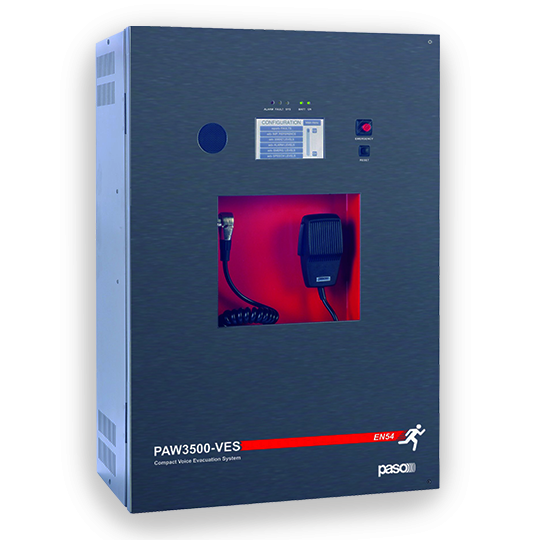

EVA-3000: New PA/VA system certified EN 54-16
févr. 11, 2026
Sound kit : discover our 9 new packs | Rondson
janv. 12, 2026
New PBT series IP55 wall-mounted speakers with no visible cables!
nov. 13, 2025
Canal Music and Rondson partner
oct. 01, 2025
LA-SERIES - New amplified portable sound systems !
sept. 24, 2025
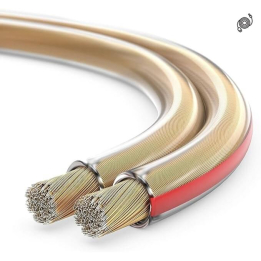
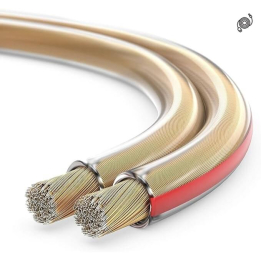
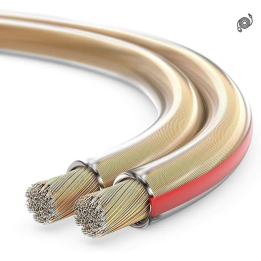
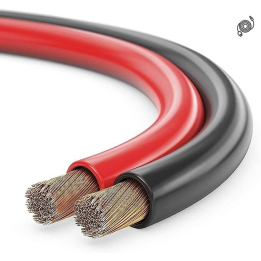
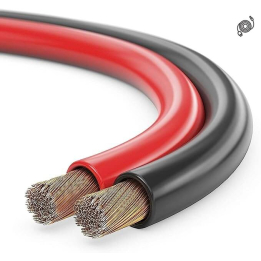
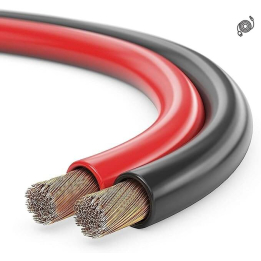
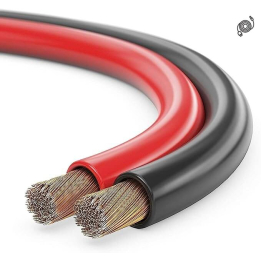
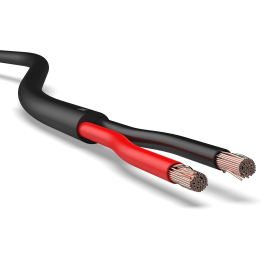
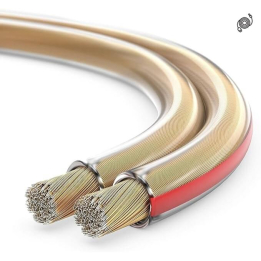
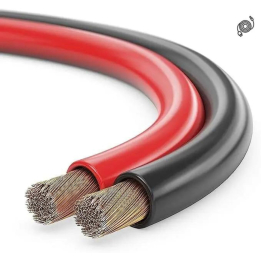
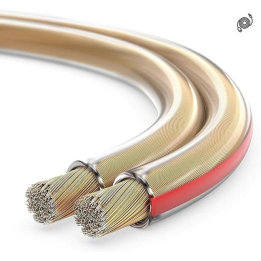
It is essential to use high-quality cables to ensure optimal audio transmission. The importance of the cable cross-section, which ensures minimal resistance, as well as the use of multi-strand copper, which promotes flexibility and longevity, are crucial criteria.
Silver, an ideal conductor, guarantees efficient power delivery to the speakers while minimizing signal loss. These elements highlight the need to purchase quality cables from recognized brands to optimize the performance of loudspeakers and amplifiers.
We thus recommend a diameter ranging from 1.5 to 2.5 mm2 for lengths between 1 and 10 meters. It is often preferable to opt for a cable with a section of 4 mm2 beyond.
Copper is the predominant material for speaker cables thanks to its low cost and low resistance. However, copper tends to oxidize; it is therefore essential to cover it properly and insulate it.
It is also important to specify that the thickness of the cable is always indicated for a single conductor. Thus, if we are talking about a speaker cable of 1.5 mm2 offered in double version (for positive and negative connection), it will be marketed as 2x 1.5 mm 2.
The transmission of signal and power from your amplifier to your speakers and subwoofers must suffer no interference. We advise you to use the following when installing or replacing speaker wiring:
18, 16 or 14-gauge cable for speakers.
Use 16, 14 or 12 gauge wire for bass boxes.
Just like for the power cable, the use of a larger section cable is recommended when the length and current to be passed through are considerable. For example, if your amplifier is placed in the trunk and you are powering your front speakers with 100 watts, a 14-gauge cable would be a suitable option. However, if the amplifier only has a power of 50 watts, a 16-gauge
It is essential to consider the physical constraints of the connection points of your specific equipment when selecting the cable, given that the high-speakers or amplifiers equipped with push-type spring terminals are not able to accommodate a cable diameter significantly greater than 1.5 mm 2.