

Magnetic loop - BIM

Magnetic loop - BIM

Magnetic induction loop

A magnetic induction loop (MIL) is an assistive listening system for hard of hearing people with hearing aids, so that the sound coming from our sound equipment is transmitted clearly and audibly, without being hindered by any ambient noise.

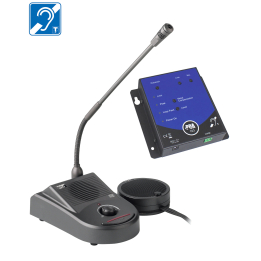
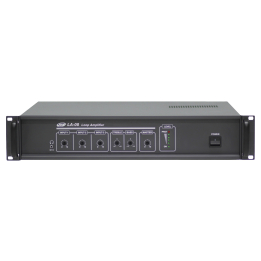
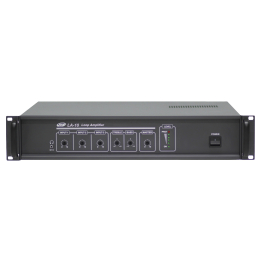
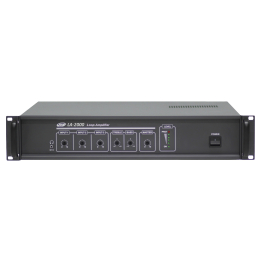
Our wide range of magnetic induction loop amplifiers can adapt to the areas of public places to be equipped with sound, from 1 m2 to 1000 m2 (e.g., counters, desks, ticket offices, administration rooms, places of worship).

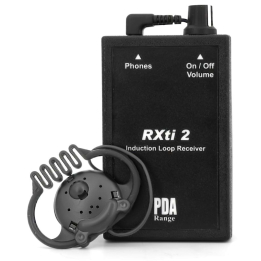
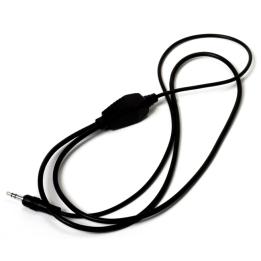
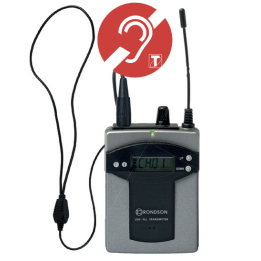
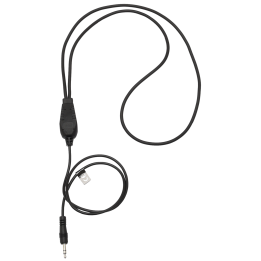
Audio receivers, neck loops, and earphones optimize your hearing loop installation for the hard of hearing. All our products comply with the NF EN 60118-4 standard on auditory accessibility.

FAQs Questions / réponses

How does the magnetic induction loop work?

The principle consists of running an electrical wire around the perimeter of the room to be equipped with sound, thus forming a loop.

The magnetic field generated by the loop on the periphery of the room will pass through the coil of the hearing aids of people equipped with them via induction. The hard of hearing person or persons will thus be able to receive the information perfectly audibly.

The magnetic loop installed around the room is generally composed of a copper wire or ribbon.

Several types of loops adapt according to the size of the room, the need for confidentiality, and the control of the magnetic field in order to limit interference, our different systems can equip public places from 1 m2 to 1000 m2.

What is a magnetic loop used for?

The magnetic loop (MIL) serves to improve the quality of communication with individuals having hearing impairments.

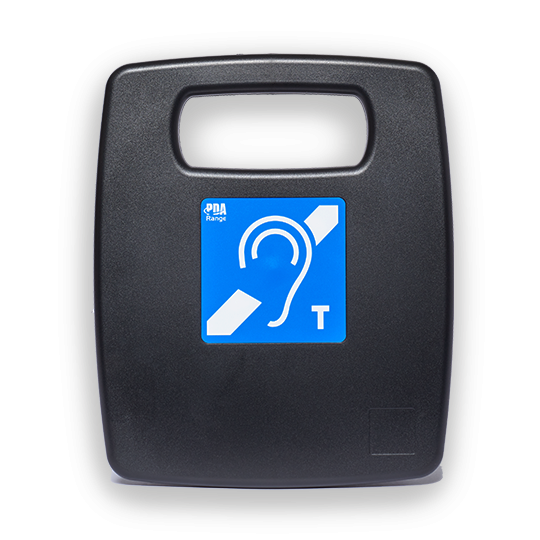
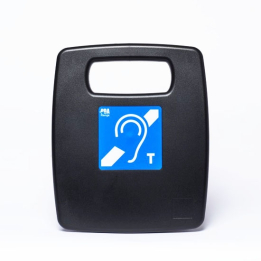
Indeed, hearing aids amplify the sounds of daily life, but an MIL allows for establishing direct communication with these devices if they are equipped with a T-coil mode.

For example, in the absence of an MIL, it can be extremely difficult for a hard of hearing person to follow speakers in an amphitheater, as many parasitic noises risk disrupting them. However, with a hearing loop, the sound captured by the presenter's microphone is directly routed to the hearing aid, which greatly improves the quality of the sound perceived by these people.

Where to install its hearing-impaired magnetic loop?

To effectively equip your premises, you should focus on the following areas: your public reception points and your meeting, performance, or classroom spaces.

In summary, you must prioritize all areas designed to host an audience that needs to listen to an oral presentation, whether from a speaker, a video projection, or any other form of listening.

How to install a hearing impaired loop?

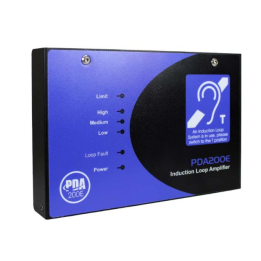
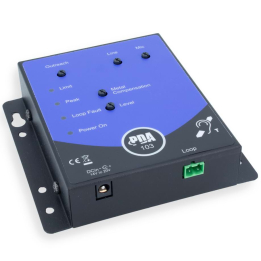
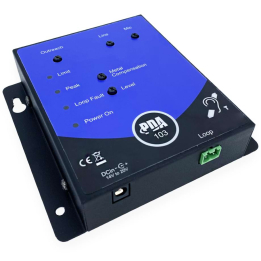
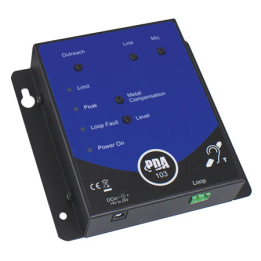
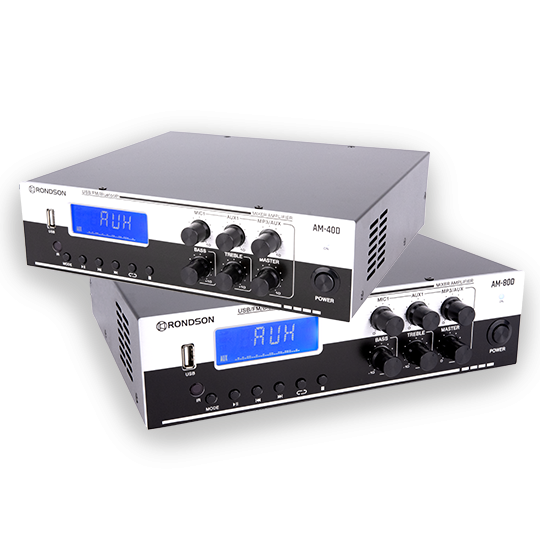
Once the specific cable is installed, the magnetic loop must be connected to a specific amplifier depending on the area to be covered, for example PDA103R for 50 m2 or LA-10 for 800 m2.

A multimedia player is also connected to this amplifier for sound broadcasting.

The installation then produces a magnetic field generated by the loop created throughout the entire area of the room.

The magnetic field is then picked up by the hearing aids of hard of hearing people set to the "T" position.

If a facility is already equipped with an existing sound system, the addition of a loop amplifier can complement it to meet the requirements of the standard.

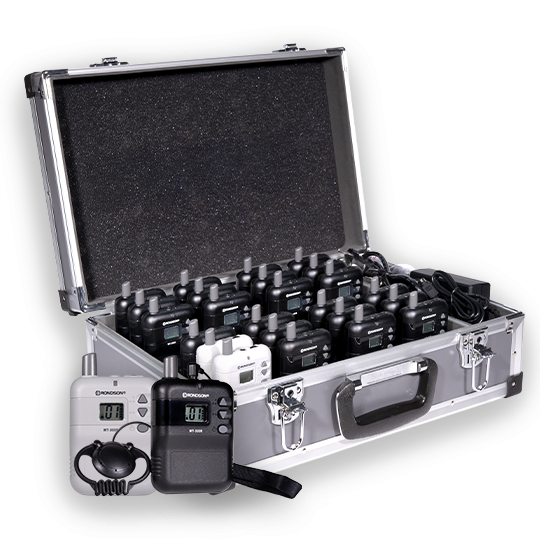
In order to verify the effectiveness of the installation, there is an audio receiver RXT12 which allows you to check the proper functioning of the magnetic field; it can also be used as a hearing aid for people without their own devices.

What budget does it take to install a loopback system for the hearing impaired?

In general, the installation cost of a magnetic loop system can vary depending on the following factors: the size of the area to be covered, the type of system, and the quality of the components. At Rondson, the installation of an MIL can range between €100 and €2,000. For a more precise assessment of your needs and a custom quote, you can contact our experts!