 Catégories produits
Sound systems in public spaces must ensure that announcements can be clearly understood and that music appropriate to the activity is played. In a restaurant, the settings are determined by the need for comfortable conversation. In a hotel, different areas must be able to operate independently. In a sports hall, reverberation and crowd noise require particular attention.
To illustrate these tips, RONDSON offers its Guide to P.A Systems for Public Spaces. This document covers various types of venues, featuring 3D views, examples of use and equipment recommendations. This makes it easier to visualise an installation before adapting its specifications to the site’s requirements.
Background music, advertising announcements or evacuation messages
Start by specifying what will be broadcast: background music, announcements, sports commentary, lectures or one-off events. These applications do not require the same sound coverage or the same controls. Also identify the areas that need a different audio source, require independent volume control or must be able to broadcast a targeted announcement.
Floor area alone is not sufficient to determine the size of a sound system. Ceiling height, the shape of the rooms, reflective materials and the background noise level during use directly affect speech intelligibility. The placement and orientation of the speakers are just as important as their power output. In a room with a high level of reverberation, acoustic treatment may also be necessary to complement the audio system.
Every public venue must adapt its sound system
Bars and Restaurants
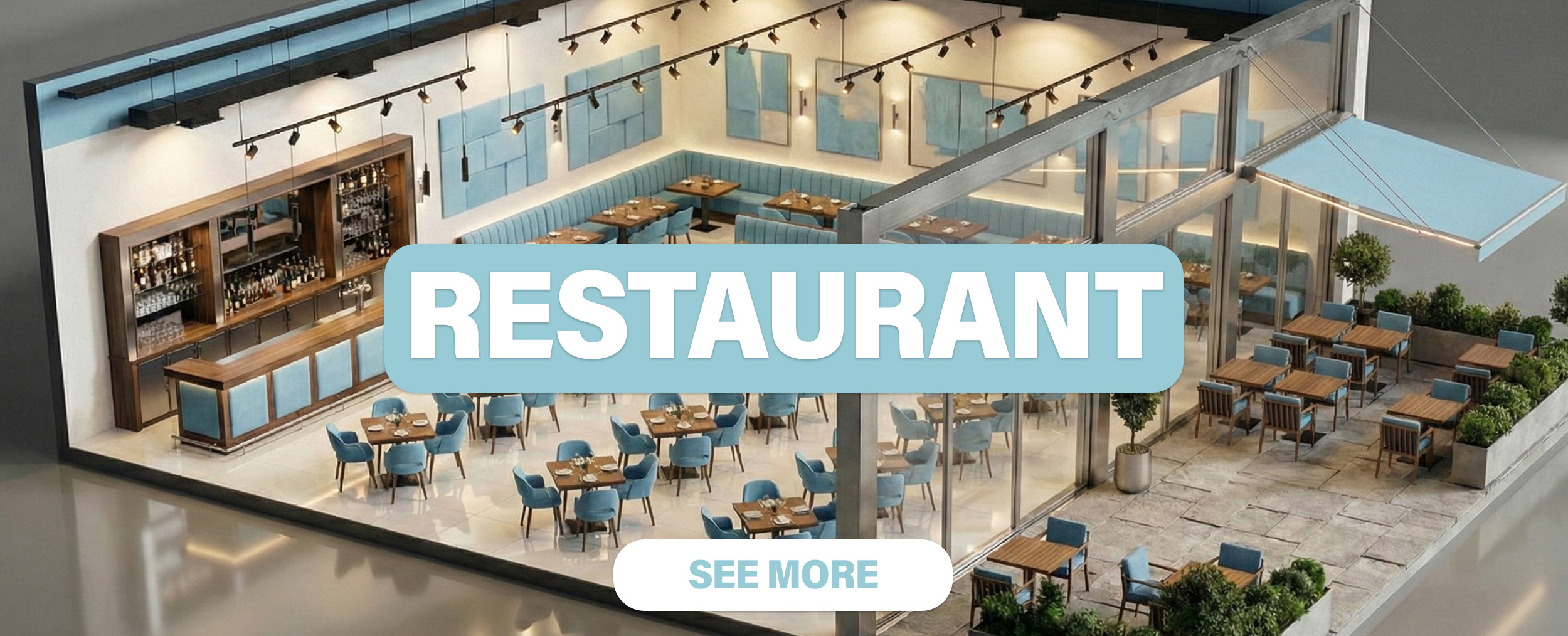
A restaurant’s sound system must distribute the music evenly whilst allowing customers to converse comfortably. The dining area, bar, private rooms and terrace may require different sound levels. Provision must also be made for occasional live entertainment at the design stage, with the necessary microphone inputs and power reserve.
|
|
 |
 |
 |
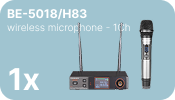 |
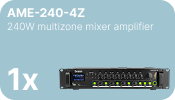
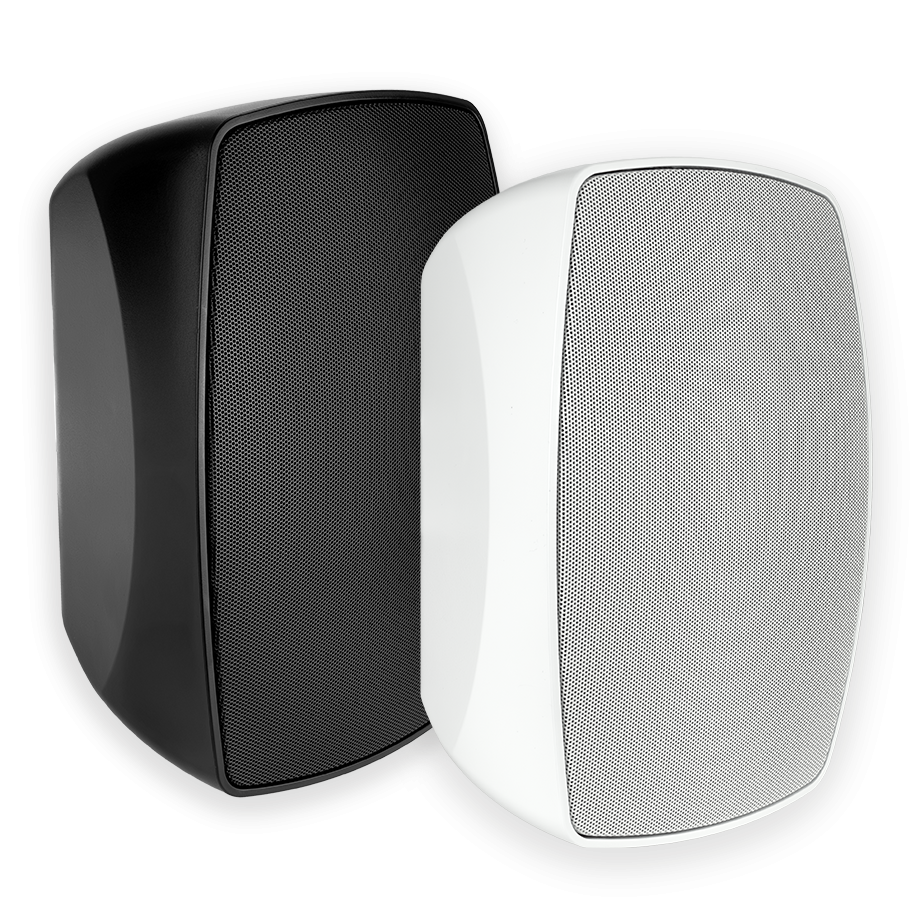
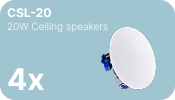
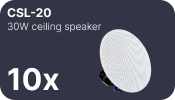
A system configuration may incorporate the AME-240-4Z mixer amplifier, PBT-5B wall-mounted speakers and CSL-20 in-wall speakers. The SUB120BL provides low-frequency reinforcement where required for musical applications. The BE-5018/H-83 wireless microphone facilitates public address, whilst the CAHP-1/5-100M-RN cable is one of the standard cabling options to be selected according to the circuit requirements.
The AME-240-4Z offers a total power output of 240 W distributed across its zone outputs: this figure does not correspond to 240 W being available in each zone. The CSL-20 is a 100 V model offering power ratings of 5, 10 and 20 W. The power requirements of each loudspeaker and subwoofer must therefore be factored into the overall power budget. To broadcast different programmes simultaneously, check the routing options and select a suitable matrix architecture.
Hotels
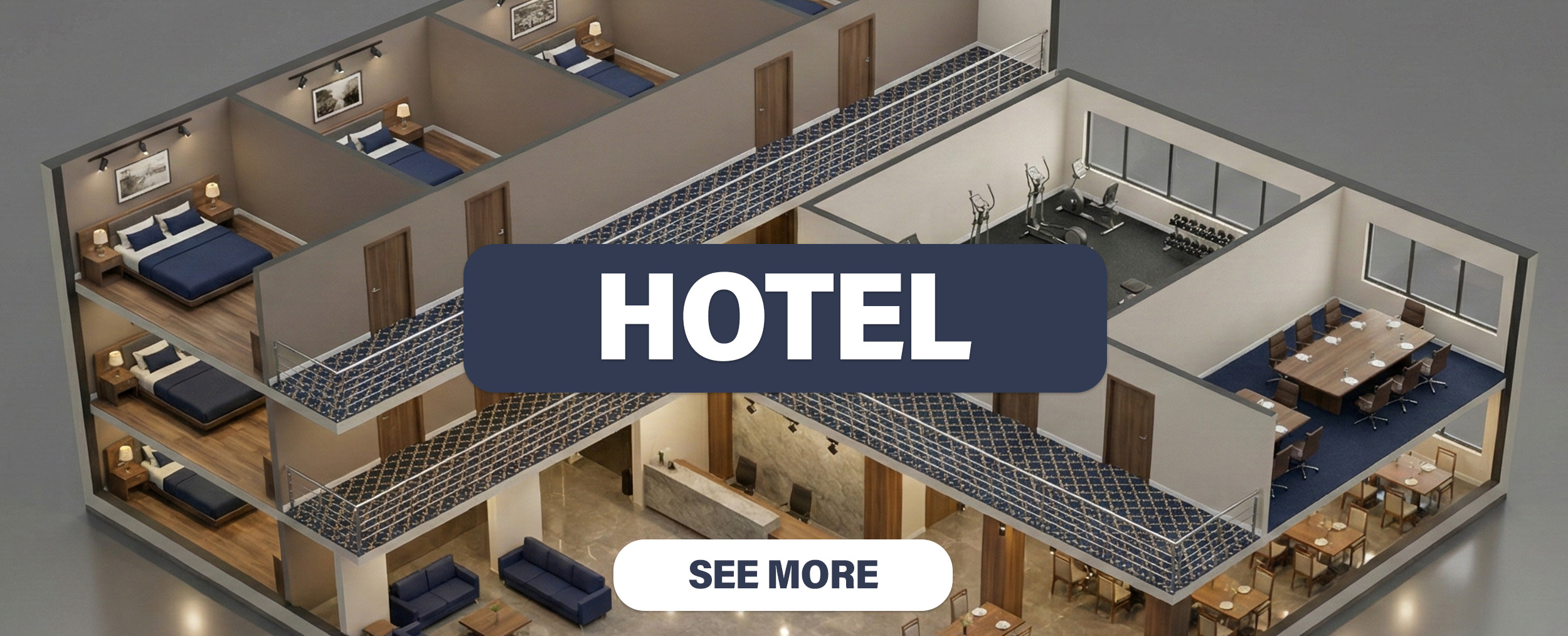
A hotel’s public address system must take into account the specific use of each area. The lobby, restaurant, corridors, meeting rooms and relaxation areas may require separate sound sources or volume levels. Announcements must be able to reach the relevant areas without unnecessarily disturbing other areas.
 |
 |
 |
 |
 |
 |
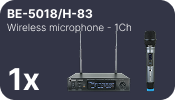 |
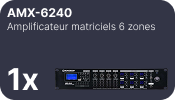
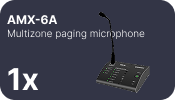
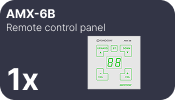
The AMX-6240 matrix amplifier enables audio distribution across six zones. The AMX-6A control panel enables targeted calls, whilst the AMX-6B wall-mounted control unit provides compatible local control. The PBT-4 wall-mounted speakers and CSL-20 ceiling-mounted speakers can deliver audio over 100 V lines. The BE-5018/H-83 meets the needs for mobile public address.
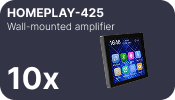
For a standalone space, the HOMEPLAY-425 is a 4 × 25 W wall-mounted amplifier with 8 Ω outputs. It must power loudspeakers compatible with this operating mode. It constitutes a local subsystem to be considered separately: the CSL-20, designed for a 100 V line, cannot be connected directly to these 8 Ω outputs.
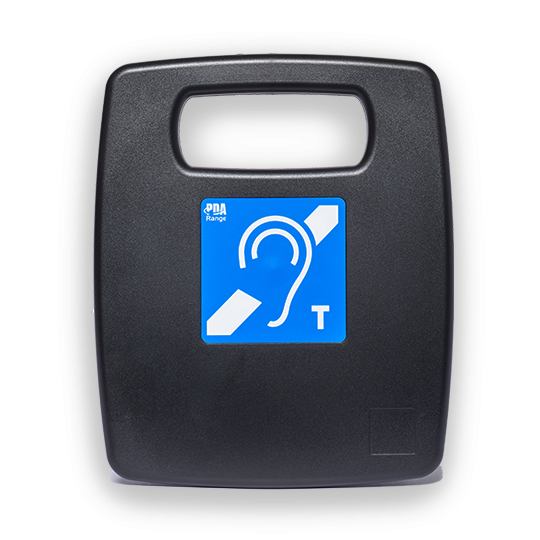
In the reception area, the PL1 mobile induction loop can facilitate close-range communication with a person wearing a compatible hearing aid. This device is intended for localised use. The accessibility of the entire premises must be checked in accordance with the relevant spaces, uses and applicable regulations.
Gyms and multi-purpose halls
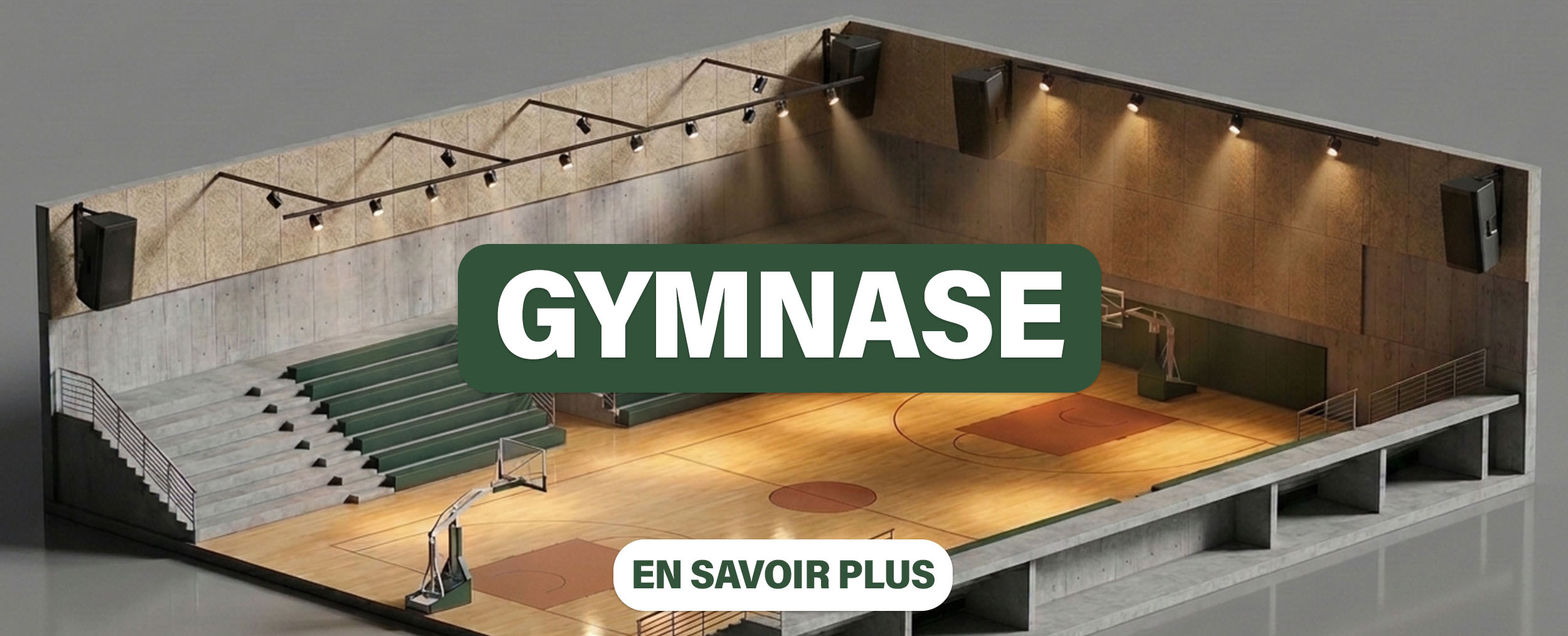
In a sports hall, the priority is to ensure that announcements and commentary can be understood despite ambient noise and sound reflections off the walls. Simply turning up the volume is not enough to solve the problem. The study must specify the listening areas, the directivity of the loudspeakers and their orientation towards the audience. Delay adjustments may also be necessary when several sound sources cover the same space.
 |
 |
 |
 |
 |
 |
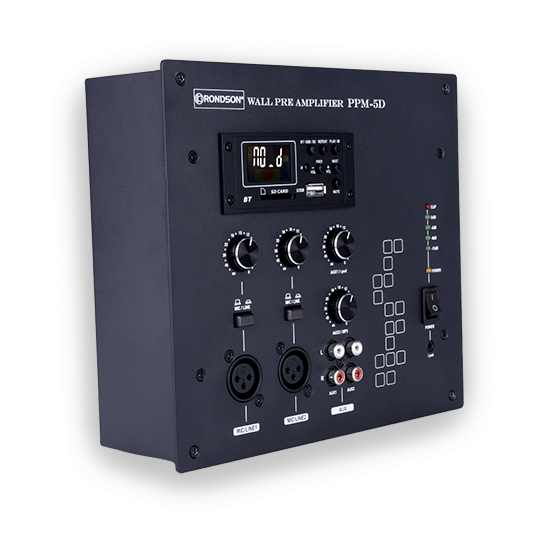
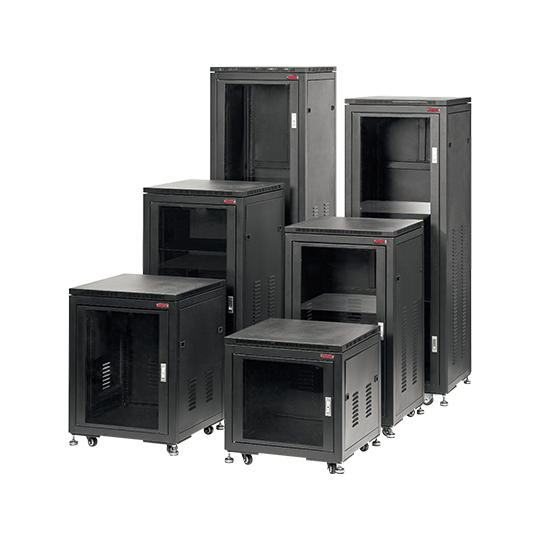
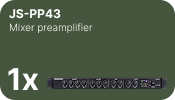
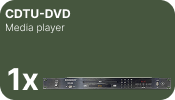
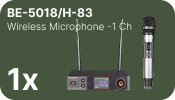
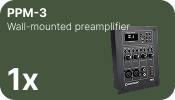
The JS-PP43 mixing pre-amplifier allows various sources to be combined, notably the CDTU-DVD media player and the BE-5018/H-83 wireless microphone. The PPM-3 wall-mounted pre-amplifier provides an accessible input and control point within the room. The P8U N rack allows rack-mountable equipment to be housed, provided their dimensions and ventilation requirements are checked.
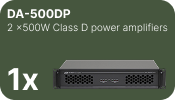
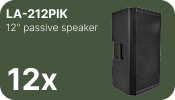
The choice of amplifier must be based on the choice of loudspeakers. The DA-500DP is a power amplifier with 100 V outputs. The LA-212PIK loudspeaker is an 8 Ω passive loudspeaker: it requires a suitable low-impedance amplifier and must not be connected directly to a 100 V output on the DA-500DP. These models are therefore designed for different sound reinforcement applications and do not, on their own, constitute a directly compatible amplifier system.
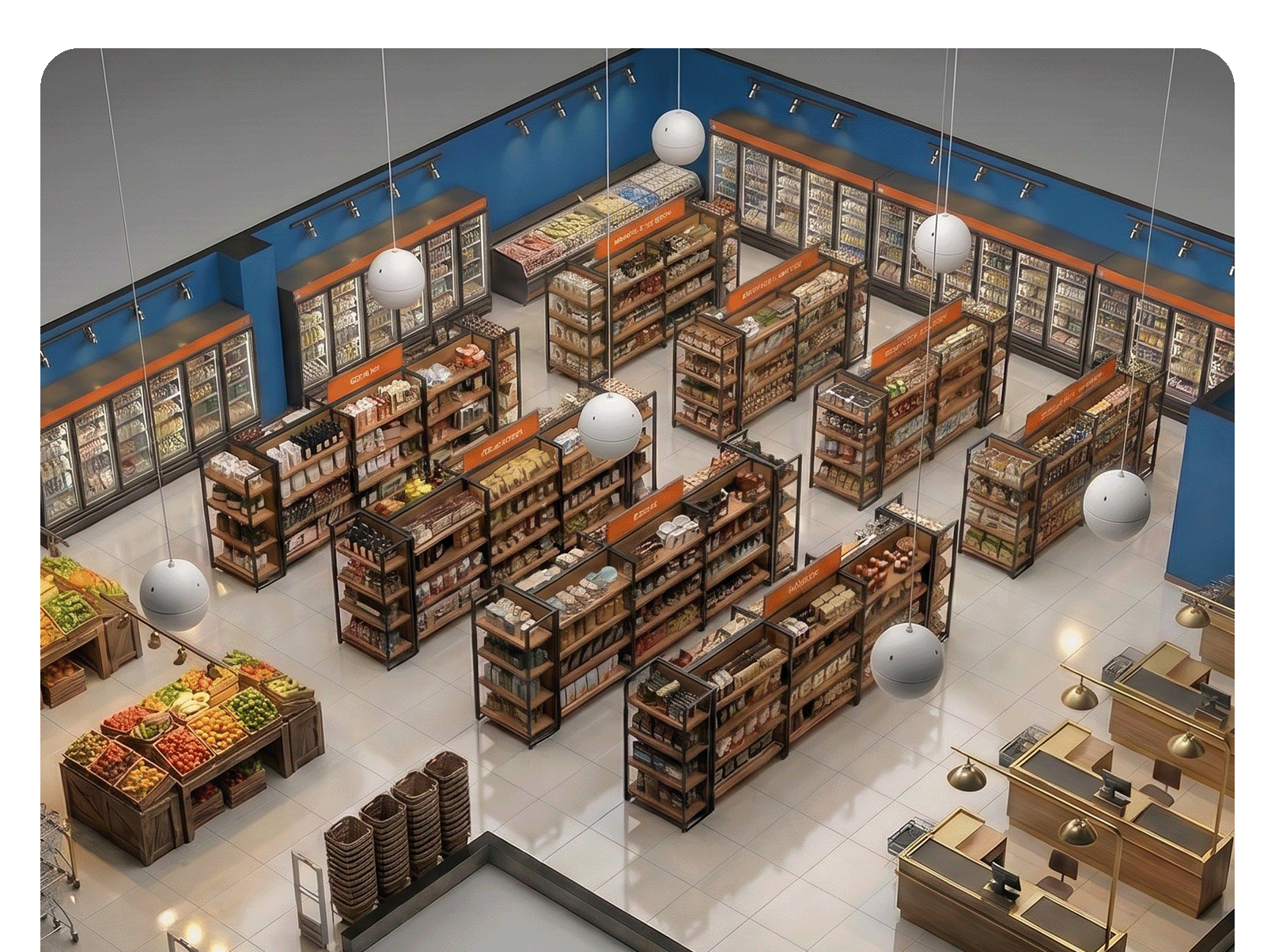
Shops and shopping centres
In a shop, look for even sound distribution, a user-friendly sound source and a volume level suited to opening hours. Lone Audio’s connected solutions – available in Bluetooth or Wi-Fi versions, depending on the model – are suitable for small and medium-sized retail outlets. However, wireless music transmission does not eliminate the need for power supplies or all the cables required to connect the equipment.
In a shopping centre, the project must also take into account zone-specific announcements, cable lengths, maintenance and future expansions. A 100 V distribution system or a network-based audio system can meet these requirements. The number of zones and call priorities must be defined before selecting the equipment.
Conference and meeting rooms
Speech intelligibility is the primary objective of a conference room sound system. The choice of microphones depends on how the discussion is structured: a lectern microphone for a stationary speaker, a handheld microphone for questions, or a conference system for multiple participants. The positioning of the loudspeakers in relation to the microphones and the adjustment of gain levels also help to minimise the risk of feedback.
Ceiling-mounted loudspeakers may be suitable for even sound distribution, but their spacing and power output must be determined based on the ceiling height, the model’s coverage and the room’s acoustics. For a room used for videoconferencing, you should also provide the necessary audio processing for remote communication.
Swimming pools and aquatic centres
A swimming centre often combines high levels of reverberation with a damp and potentially corrosive environment. It is essential to check that the loudspeakers, fixings and connections are suitable for this environment. A water protection rating alone is not sufficient to ensure resistance to the chemicals present on site.
Sound should be directed towards occupied areas whilst ensuring that instructions can still be clearly understood. The installation layout, mounting materials and maintenance requirements must be validated in accordance with the manufacturer’s specifications and the actual conditions of the building.
Terraces and outdoor events
Outdoors, sound coverage depends on distance, the orientation of the speakers, ambient noise and exposure to the elements. Choose equipment and accessories suited to their location, then check the areas actually covered. The required protection rating must be determined according to the level of exposure: a single value cannot be suitable for all installations.
The required power cannot simply be calculated by applying a standard increase to the figure for an indoor location. A coverage study helps to define the optimal speaker positions and settings, whilst taking into account the surrounding area and the regulations governing amplified sound.
DISCOVER OUR PROFESSIONAL SOUND SYSTEMS
Understanding the key regulatory requirements
In a public building, alarm requirements depend on the type of building, its category and the applicable regulations. A voice alarm is not a general requirement linked to a threshold of 300 people. For example, Article X 26 stipulates that, for indoor sports facilities falling within its scope, a Type 3 alarm system is required in the first and second categories, and a Type 4 system in the other relevant categories.
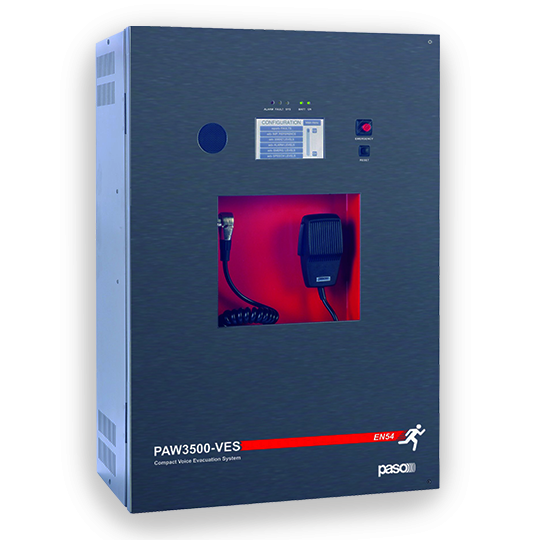
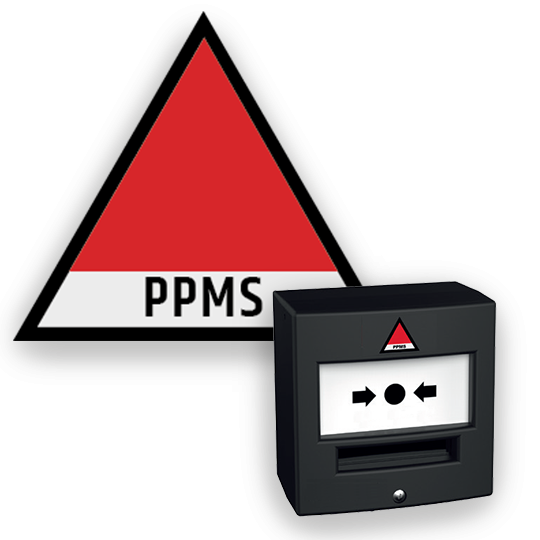
A music and public address system does not automatically replace a safety public address system. Where a voice evacuation system is provided, standard NF EN 54-16 applies to its central equipment and standard NF EN 54-24 to the relevant loudspeakers. A priority input, a music cut-off function or a 24V power supply are not, on their own, sufficient to demonstrate the system’s overall compliance. PASO devices designed for this purpose must be selected on the basis of their certifications and the approved project.
You should also check accessibility requirements, music broadcasting rights and noise regulations. Their application depends on the premises and their activity. The relevant regulations must be identified in consultation with the appropriate professionals. For further information, please see our article ‘Professional Sound Systems for Retail’.
Plan your sound system project with Rondson
To guide your choice of equipment, compile the site plan, ceiling heights, intended uses and any areas requiring separate control. Specify requirements for music, public address and accessibility, as well as any identified safety constraints. This information enables you to compare solutions on a relevant technical basis rather than solely on the basis of advertised power ratings.
The brands and product ranges offered by Rondson — Rondson, Segon Professional Audio, Lone Audio, JD-Media and PASO — cover complementary applications. The selection must be made on a piece-by-piece basis, depending on functions, connections and, for security applications, the certifications actually required.
To complement this technical approach, the RONDSON Public Venue Sound System Guide allows you to browse illustrated configurations, ranging from restaurants and museums to hotels, sports halls and schools. These examples serve as starting points for planning a project.
SOUND SYSTEMS FOR PUBLIC PLACES