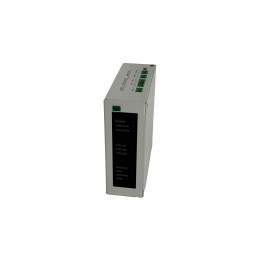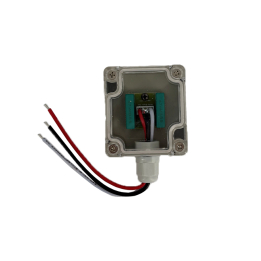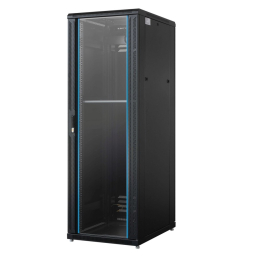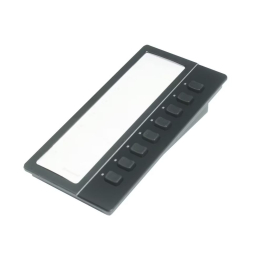

EN 54-16 certification

EN 54-16 certification

Rondson EN 54-16 Voice Alarm System

A Voice Alarm System (VAS) relies on a central Voice Alarm Control and Indicating Equipment (VACIE) capable of ensuring the uninterrupted broadcasting of alert messages. Our solutions, such as the PAW range and the EVA-2000 and EVA-3000M systems, integrate advanced monitoring features. Each 100V line output is monitored in real time to detect any break, short-circuit, or earth fault, thereby guaranteeing the intelligibility of messages in the event of a fire in public access buildings.

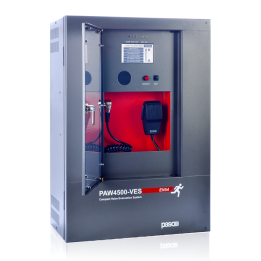
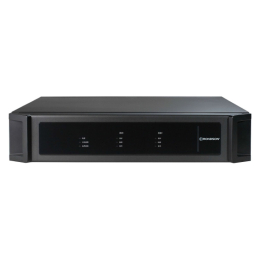
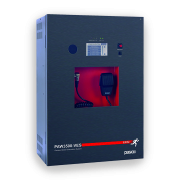
  • PAW series - ALL-IN-ONE systems for...

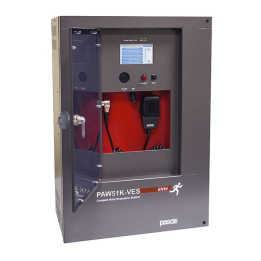
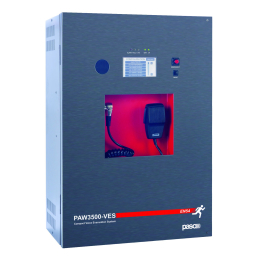
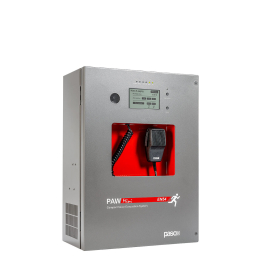
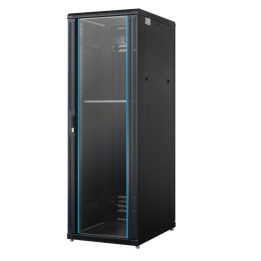
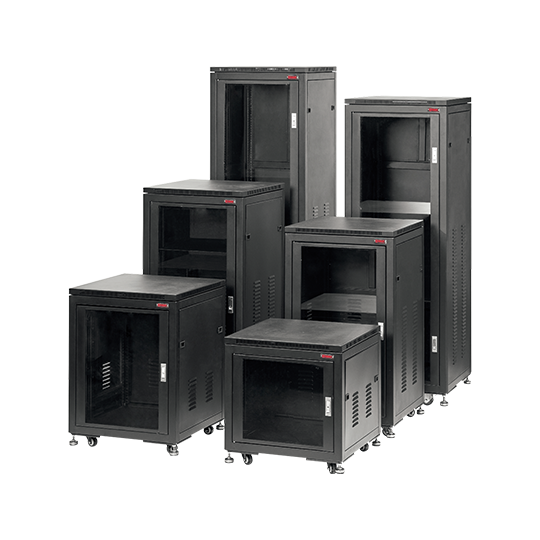
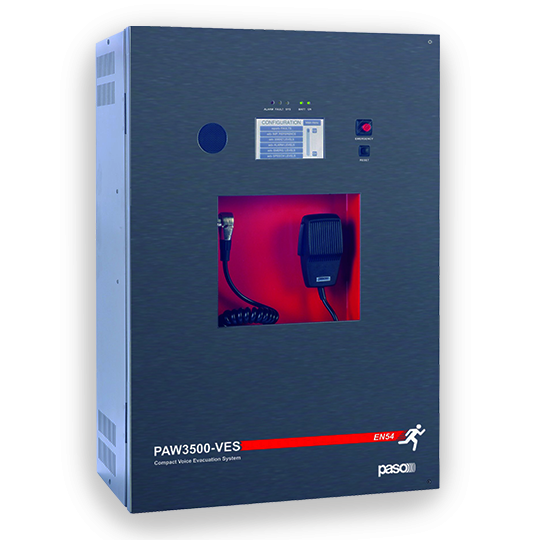
    The PAW series of compact cabinets offers complete alarm and evacuation systems, certified to EN 54-16 and EN 54-4, for use in small to medium scale projects such as schools, commercial premises and other buildings open to the public.

    These provide clearly audible evacuation messages relating to emergency measures.

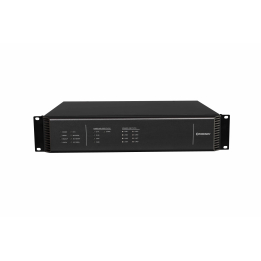
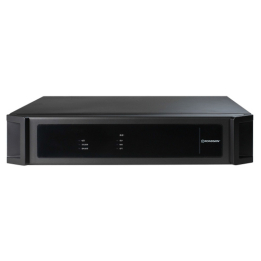
  • PA8500-VES Voice evacuation system...

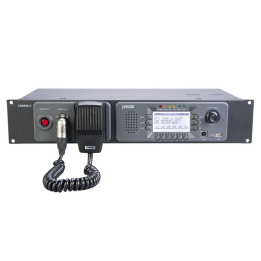
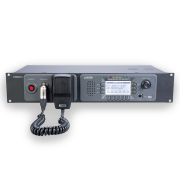
    The PA8500-VES series offers EN 54-16 certified evacuation and alarm equipment for use in small to medium scale projects such as colleges, medium sized businesses, etc.

    It provides clearly audible evacuation messages relating to emergency measures.

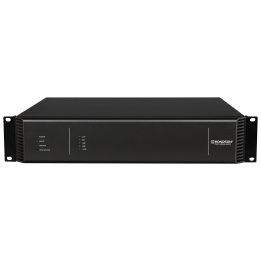
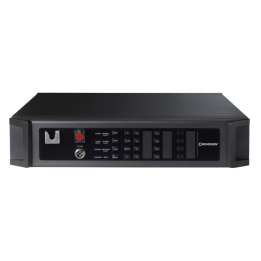
  • Alarm and evacuation system EVA-2000

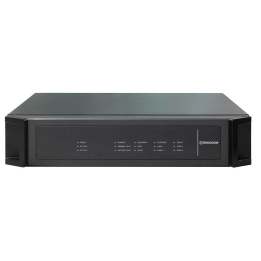
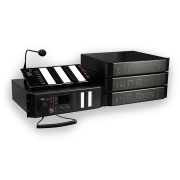
    The EVA-2000 is a complete EN 54-16 certified public address system designed for large-scale facilities such as shopping centres, exhibition centres, sports complexes, hospitals, etc.

    It provides clearly audible evacuation messages related to emergency measures.

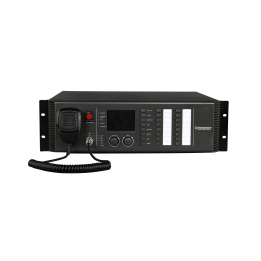
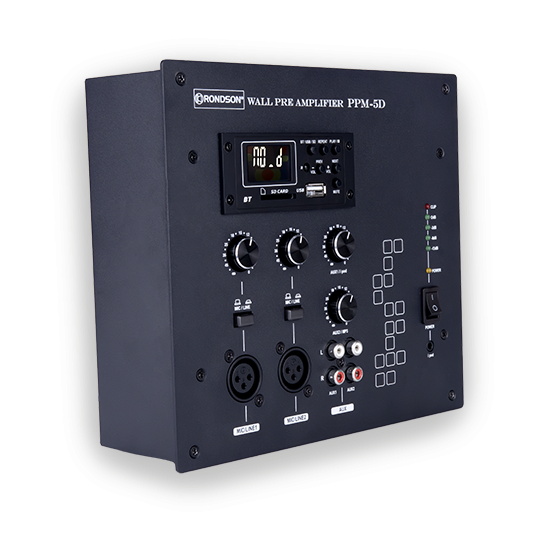
  • Alarm and evacuation system EVA-3000M

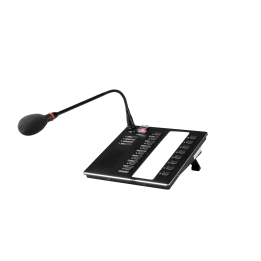
    The EVA-3000 is a complete voice alarm system, EN 54-16 certified, designed for large-scale installations such as shopping malls, exhibition centers, sports complexes, university hospitals...

    It ensures the broadcast of clearly audible evacuation messages regarding emergency measures.

Integration with the Fire Safety System (SSI)

Integrating your sound system with a Fire Safety System (SSI) is crucial for compliance and efficiency. The French standard NF S 61-936 requires a strict link between the fire safety centralizer (CMSI) and the public address rack. Our central units manage broadcasting priorities, ensuring that safety announcements and evacuation messages take precedence over background music. Furthermore, thanks to a safety power supply (AES) compliant with the EN-54-4 standard, our equipment guarantees total autonomy, even in the event of a main power failure, thus ensuring uninterrupted safety.

Rack Modularity and WRMS Power Optimization

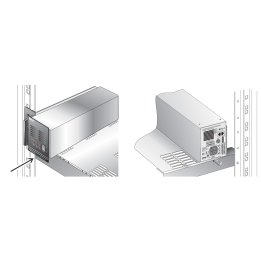
At Rondson, we offer maximum flexibility for your sound systems. Whether you opt for a compact wall-mounted cabinet managing 2 zones or a modular rack capable of managing dozens of speaker lines, we optimize the distributed WRMS power. In addition, advanced redundancy management, including automatic switchover to a backup amplifier, guarantees an essential continuity of service for the protection of people, even in the most critical situations.

FAQs Questions / réponses

What does the EN 54-16 regulation correspond to?

The EN 54-16 standard is a harmonized European standard that defines the requirements, test methods, and performance criteria for Voice Alarm Control and Indicating Equipment (often referred to as VACIE).

It forms the heart of the Voice Alarm System (VAS). Its role is to manage the broadcasting of vocal alert messages in the event of a fire, ensuring that the signal is reliably transmitted from the detection panel to the loudspeakers. Since 2011, CE marking has been mandatory for all products falling under this standard.

For which types of establishments is it mandatory to have a fire alarm system ?

In France, the obligation depends on the category and type of establishment, according to the Construction and Housing Code:

  • Public Access Buildings (ERP): The installation of a Voice Alarm System (VAS) compliant with the EN 54-16 standard is generally required for high-capacity establishments (categories 1, 2, and sometimes 3) such as shopping centers, train stations, airports, or large cinema complexes.
  • High-Rise Buildings (IGH): Due to the complexity of evacuation, these structures must imperatively have a voice communication system.
  • Workplaces (ERT): Installation is required if the layout of the premises or the nature of the activity makes hearing a standard audible alarm difficult, or if evacuation is complex.

Quels sont les tests nécessaires pour assurer la conformité à la norme EN 54-16 ?

To be EN 54-16 certified, a system must guarantee absolute reliability through several key features:

  • Continuous monitoring: The system must monitor the status of loudspeaker lines, amplifiers, and the power supply in real time. Any anomaly must be reported within 100 seconds.
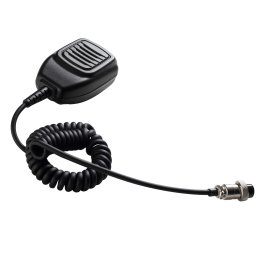
  • Priority management: Emergency messages (fireman's microphone, pre-recorded messages) must automatically interrupt background music or commercial announcements.
  • Redundancy and autonomy: The system must have a backup power supply (batteries) to operate even in the event of a power outage.
  • Intelligibility: The audio quality must allow for perfect comprehension of vocal instructions, even in a noisy environment.

What tests are necessary to ensure compliance with the EN 54-16 standard?

Before being put on the market, EN 54-16 equipment undergoes a battery of rigorous laboratory tests:

  • Functional performance tests: Verification of zone management, message priority, and fault detection.
  • Environmental tests: Resistance to cold, dry heat, humidity, and shocks/vibrations.
  • Electromagnetic compatibility (EMC) tests: To ensure that the system does not suffer from or generate interference.
  • Software stability tests: Verification that the processor and management software are protected against critical errors.

What are the advantages of conforming to EN 54-16 in terms of fire prevention ?

Compliance with this standard is not just a legal obligation; it is a major asset for safety:

  • Reduced reaction time: Studies show that occupants react much faster to a clear vocal instruction ("Evacuate via exit A") than to a shrill siren that can cause confusion or panic.
  • Orderly evacuation: Zone management allows the highest risk areas to be evacuated first, thereby preventing stampedes on the stairs.
  • Legal peace of mind: In the event of an incident, the establishment manager can prove they have installed certified equipment that complies with the strictest European safety requirements.